Federico García Lorca
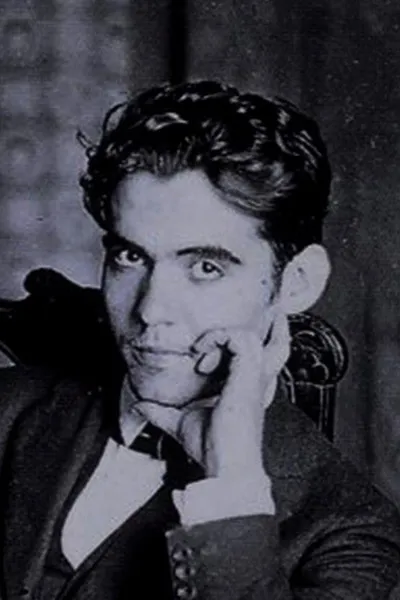
Federico del Sagrado Corazón de Jesús García Lorca (5 June 1898 – 18 August 1936) was a Spanish poet, playwright, and theatre director. García Lorca achieved international recognition as an emblematic member of the Generation of '27, a group consisting mostly of poets who introduced the tenets of European movements (such as symbolism, futurism, and surrealism) into Spanish literature.
He initially rose to fame with Romancero gitano (Gypsy Ballads, 1928), a book of poems depicting life in his native Andalusia. His poetry incorporated traditional Andalusian motifs and avant-garde styles. After a sojourn in New York City from 1929 to 1930—documented posthumously in Poeta en Nueva York (Poet in New York, 1942)—he returned to Spain and wrote his best-known plays, Blood Wedding (1932), Yerma (1934), and The House of Bernarda Alba (1936).
García Lorca was homosexual and suffered from depression after the end of his relationship with sculptor Emilio Aladrén Perojo. García Lorca also had a close emotional relationship for a time with surrealist artist Salvador Dalí, who said he rejected García Lorca's sexual advances.
García Lorca was assassinated by Nationalist forces at the beginning of the Spanish Civil War. His remains have never been found, and the motive remains in dispute; some theorize he was targeted for being gay, a socialist, or both, while others view a personal dispute as the more likely cause.
Known for
Writing
Place of birth
Fuente Vaqueros, Granada, Andalusia, Spain
Birthday
6/5/1898